
How Pressurized Fermentation Reduces Brewing Time
In the fast-paced world of brewing, time is of the essence. Whether you’re a homebrewer eager to taste your latest creation or a commercial brewer looking to meet market demand, reducing brewing time without compromising on quality is a coveted goal. Enter pressurized fermentation, a method that promises not only enhanced flavors but also a quicker turnaround.
How does pressurized fermentation achieve this, and what does it mean for the future of brewing? Let’s find out.
Want to Speed it up?
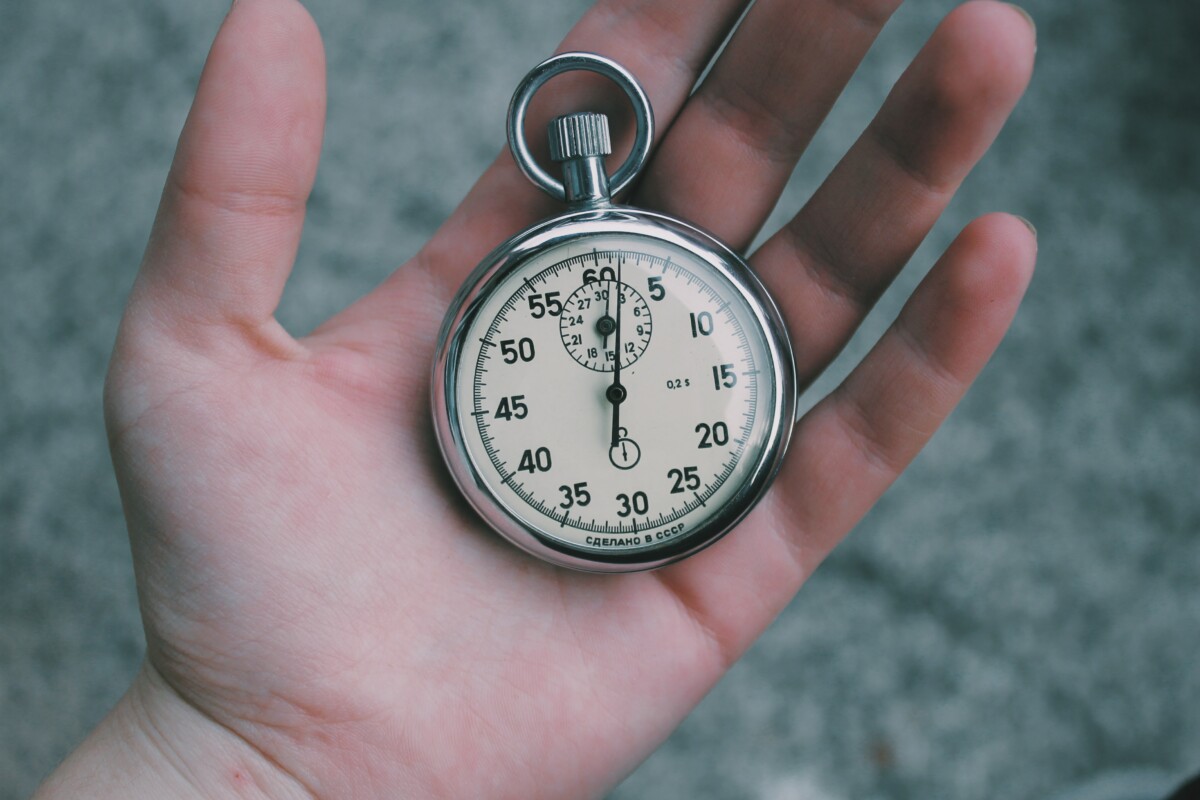
The Traditional Fermentation Timeline
To appreciate the time-saving benefits of pressurized fermentation, it’s essential to understand the typical timeline of traditional fermentation:
- Primary Fermentation: This initial phase can last anywhere from a few days to a couple of weeks, depending on the beer style and yeast strain. It’s where most of the alcohol is produced.
- Secondary Fermentation: This phase is for flavor development and can last several weeks. Some beers might skip this step, while others, especially those with added flavors or aging requirements, can remain in secondary fermentation for months.
- Conditioning: Post-fermentation, beers are often conditioned to develop carbonation and mature flavors. This can add additional days or weeks to the process.
How Pressurized Fermentation Speeds Things Up
Pressurized fermentation offers several advantages that can reduce the overall brewing timeline:
- Efficient Yeast Activity: Under pressure, yeast cells can work more efficiently, converting sugars to alcohol at a faster rate. This can reduce primary fermentation time.
- Natural Carbonation: Since the fermentation vessel is sealed, the CO2 produced is naturally absorbed into the beer. This eliminates the need for a separate carbonation step, shaving days off the process.
- Reduced Off-Flavors: The pressure can suppress the production of certain unwanted compounds, reducing the need for extended aging or conditioning to mellow out off-flavors.
Real-World Applications
Many commercial breweries have adopted pressurized fermentation to meet the growing demand for craft beers. By reducing the brewing timeline, they can produce more batches in the same timeframe, leading to increased production capacity. Homebrewers, too, benefit from quicker turnaround times, allowing them to experiment with more recipes in a shorter period.
Considerations and Limitations
While pressurized fermentation offers time-saving benefits, it’s essential to approach it with a balanced perspective:
- Equipment Needs: To ferment under pressure, specialized fermenters equipped with pressure relief valves and gauges are required.
- Flavor Profile Changes: As with any brewing method, the final flavor profile might differ from traditionally fermented beers. Brewers should experiment and adjust their recipes accordingly.
- Safety: Fermenting under pressure requires careful monitoring to ensure that the pressure levels remain within safe limits.
Conclusion
Pressurized fermentation is more than just a modern brewing gimmick; it’s a tool that offers tangible benefits in terms of time savings. By understanding its mechanics and applications, brewers can harness its potential to produce high-quality beers in a fraction of the traditional brewing time.
Let’s Brew Together
Tell me more about your brew
We love hearing from fellow beer enthusiasts! Whether you have a question about our products, need help with your brewing process, or just want to share your latest brewing adventure with us, please don’t hesitate to get in touch. Fill out the contact form below and we’ll get back to you as soon as we can. Cheers!


