
Comparing Normal and Pressurized Fermentation: Which is Better?
The world of brewing is vast and varied, with techniques and methods that have evolved over centuries. Two fermentation methods that often spark debate among brewers are normal (or traditional) fermentation and pressurized fermentation. Both have their merits, but which one comes out on top?
Let’s break down the differences, advantages, and potential drawbacks of each.
What is Normal and Pressurized Fermentation?
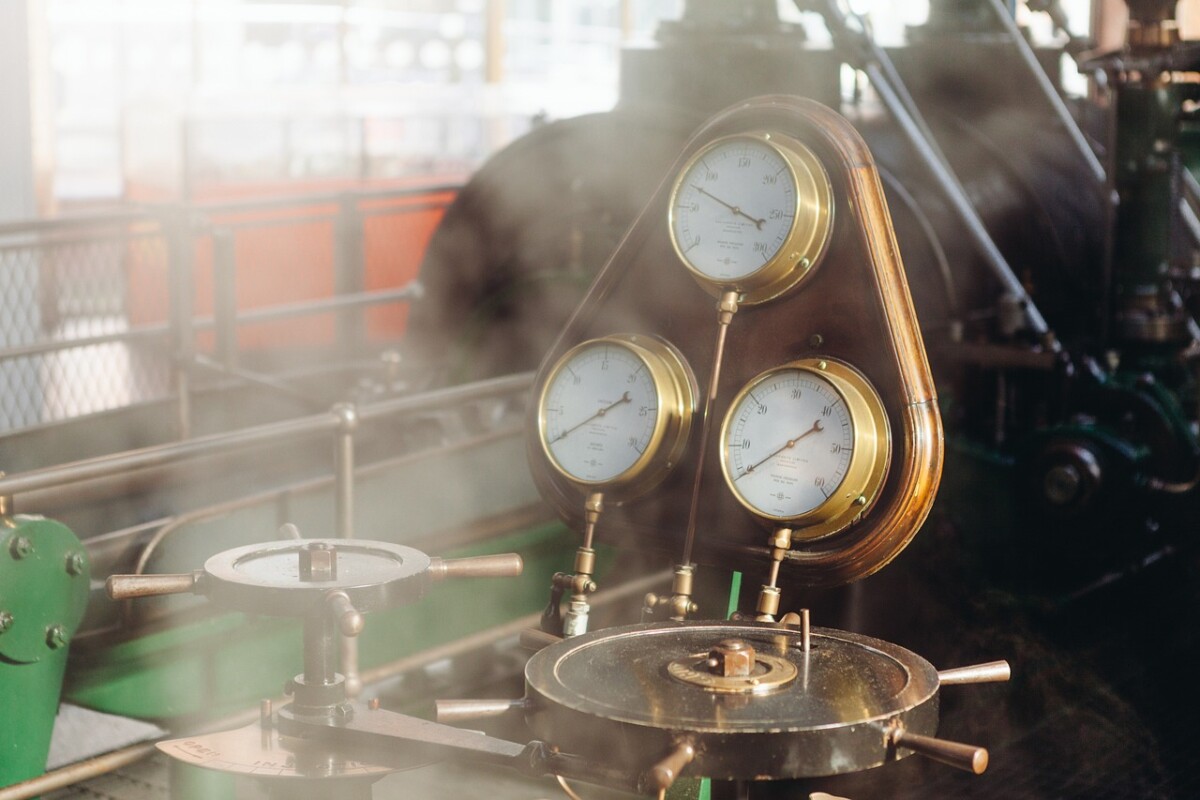
Normal Fermentation: The Traditional Approach
Normal fermentation, often referred to as traditional or open fermentation, is the method that has been used for centuries. Here’s what it entails:
- Open Vessels: Historically, beers were fermented in open vessels, allowing them to be exposed to the ambient environment. Modern brewers using this method might use vessels with a simple airlock to prevent contaminants.
- Natural Carbonation: The CO2 produced during fermentation is allowed to escape, often leading to beers that are less carbonated unless additional steps are taken post-fermentation.
- Flavor Development: Without the constraints of pressure, yeast produces a range of esters and phenols, contributing to the beer’s flavor and aroma.
Pressurized Fermentation: The Modern Twist
Pressurized fermentation is a more recent innovation in the brewing world. Here’s a breakdown:
- Sealed Environment: Beers are fermented in specialized vessels that can handle increased pressure, typically between 5 to 15 PSI.
- Enhanced Flavors: The pressure can suppress the production of certain esters and phenols, leading to a cleaner flavor profile.
- Faster Turnaround: The yeast works more efficiently under pressure, potentially speeding up the fermentation process.
- Built-in Carbonation: The sealed environment means CO2 is naturally absorbed into the beer, leading to natural carbonation.
The Showdown: Which is Better?
The answer isn’t straightforward, as it largely depends on the brewer’s goals and the specific beer style. Here are some considerations:
- Flavor Profile: If you’re aiming for a beer with a rich ester profile, traditional fermentation might be the way to go. For a cleaner profile, especially for lagers, pressurized fermentation can be beneficial.
- Production Speed: For commercial brewers or those looking to produce beer quickly, the efficiency of pressurized fermentation is a clear advantage.
- Equipment Costs: Pressurized fermentation requires specialized equipment, which might be a barrier for some, especially homebrewers.
- Flexibility: Traditional fermentation offers more flexibility in terms of adjusting flavors post-fermentation, dry hopping, and other techniques.
Conclusion
Both normal and pressurized fermentation have their place in the brewing world. The best method depends on the desired outcome, available equipment, and personal preference. By understanding the nuances of each method, brewers can make informed decisions and craft beers that resonate with their vision.
Let’s Brew Together
Tell me more about your brew
We love hearing from fellow beer enthusiasts! Whether you have a question about our products, need help with your brewing process, or just want to share your latest brewing adventure with us, please don’t hesitate to get in touch. Fill out the contact form below and we’ll get back to you as soon as we can. Cheers!


