
Kegging vs Bottling: A Comprehensive Guide to Storing Your Homebrew
If you’re into homebrewing, you know the satisfaction of sipping your own crafted beer. But once your delicious brew is ready, the question arises: should you keg or bottle your beer? This blog will discuss the pros, cons, and everything you need to know about kegging versus bottling.
Before we delve into the details of kegging and bottling, let’s understand why this choice is so significant in the homebrewing process. The way you store and serve your beer can have a profound impact on its taste, carbonation, and shelf-life. Additionally, the method you choose could affect your brewing routine’s ease and efficiency. Whether you’re an aspiring homebrewer or an experienced brewmaster, understanding the benefits and drawbacks of kegging and bottling can greatly enhance your homebrewing journey. So, let’s hop into the world of beer storage and distribution to help you make an informed choice for your next batch.
Kegging or Bottling?
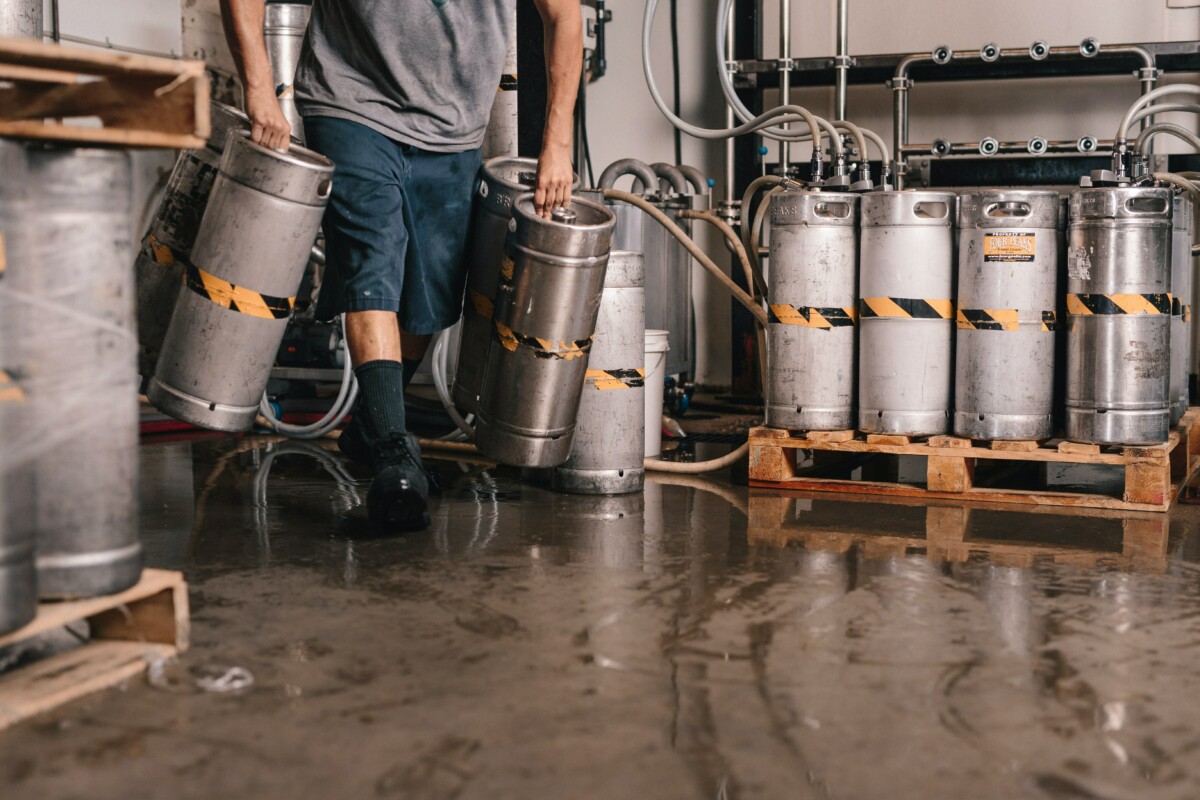
Kegging Your Beer
Pros of Kegging
- Convenience: Kegging is a faster, simpler process than bottling. With kegging, you can store your entire batch of beer in a single container rather than filling, capping, and storing multiple bottles.
- Control: A keg system allows you to adjust and control carbonation levels more easily, ensuring a perfect pour every time.
- Freshness: Kegs are completely opaque and provide a near-perfect seal, keeping your beer fresher for a longer period by protecting it from light and oxygen.
Cons of Kegging
- Cost: The initial setup cost for kegging can be high. You’ll need to invest in equipment such as a keg, a CO2 tank, a refrigerator large enough to store the keg, and a kegging system.
- Portability: Kegs can be heavy and bulky, making them less portable than bottles. Transporting a keg requires planning and equipment.
Essential Kegging Components
- Keg: The container where you’ll store your beer. Most homebrewers use 5-gallon Cornelius (or “Corny”) kegs, which were originally used for soda.
- CO2 Tank: Carbon dioxide is used to pressurize the keg, pushing the beer up and out when the tap is opened.
- Regulator: This device connects to the CO2 tank and controls the pressure of the gas being sent to the keg.
- Kegerator or a Modified Fridge: Kegged beer needs to be kept cool, so you’ll need a dedicated refrigerator or kegerator large enough to hold your keg.
- Tap: You’ll need a tap system to serve your beer. This can range from a simple picnic tap to an elaborate tower system.
Bottling Your Beer
Pros of Bottling
- Low Cost: Bottling requires less initial investment. You’ll need bottles, caps, and a capper, all of which are relatively inexpensive.
- Portability: Bottles are easier to transport and share with friends or at gatherings.
- Aging: If you’re brewing a beer style that benefits from extended aging, bottles can be a good choice.
Cons of Bottling
- Time and Effort: Bottling can be time-consuming. Each bottle must be sanitized, filled, and capped individually.
- Consistency: Achieving uniform carbonation can be a challenge with bottling.
Essential Bottling Components
- Bottles: Most homebrewers use either 12-ounce or 22-ounce glass bottles.
- Caps: You’ll need new, un-used caps for each bottle.
- Bottle Capper: This tool seals the cap onto the bottle.
- Bottle Rinser and Sanitizer: Keeping your bottles clean and sanitized is crucial to maintaining the taste of your beer.
Conclusion
Choosing between kegging and bottling ultimately depends on your personal preferences, your budget, and how you plan to consume and share your beer. Whichever method you choose, the most important thing is that you enjoy the process—and the end product
Let’s Brew Together
Tell me more about your brew
We love hearing from fellow beer enthusiasts! Whether you have a question about our products, need help with your brewing process, or just want to share your latest brewing adventure with us, please don’t hesitate to get in touch. Fill out the contact form below and we’ll get back to you as soon as we can. Cheers!


