
Unraveling Oktoberfest: Munich’s Legendary Beer Festival
Introduction:
Every year, as the leaves begin to turn and autumn’s chill sets in, millions gather in Munich, Germany, for a celebration like no other: Oktoberfest. But what is Oktoberfest, and why has it captured the hearts and palates of so many worldwide?
Historical Roots:
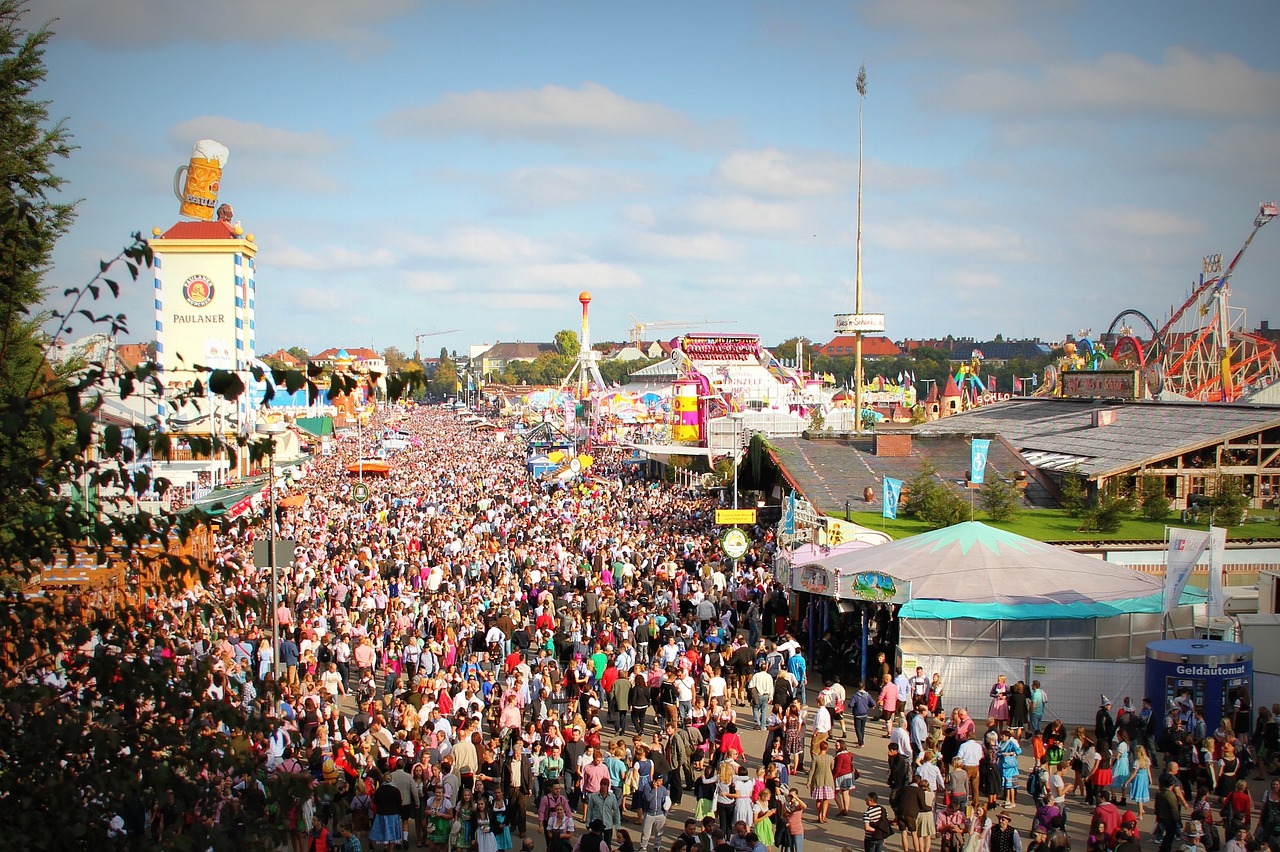
Oktoberfest’s origins trace back to October 12, 1810. It wasn’t initially about beer but a royal wedding between Crown Prince Ludwig of Bavaria and Princess Therese of Saxony-Hildburghausen. The citizens of Munich were invited to partake in the festivities, which took place in the fields outside the city gates, now known as Theresienwiese or “Theresa’s Meadow” [Link to official Oktoberfest website].
Munich’s Big Six:
The Essence of Munich’s Brews:
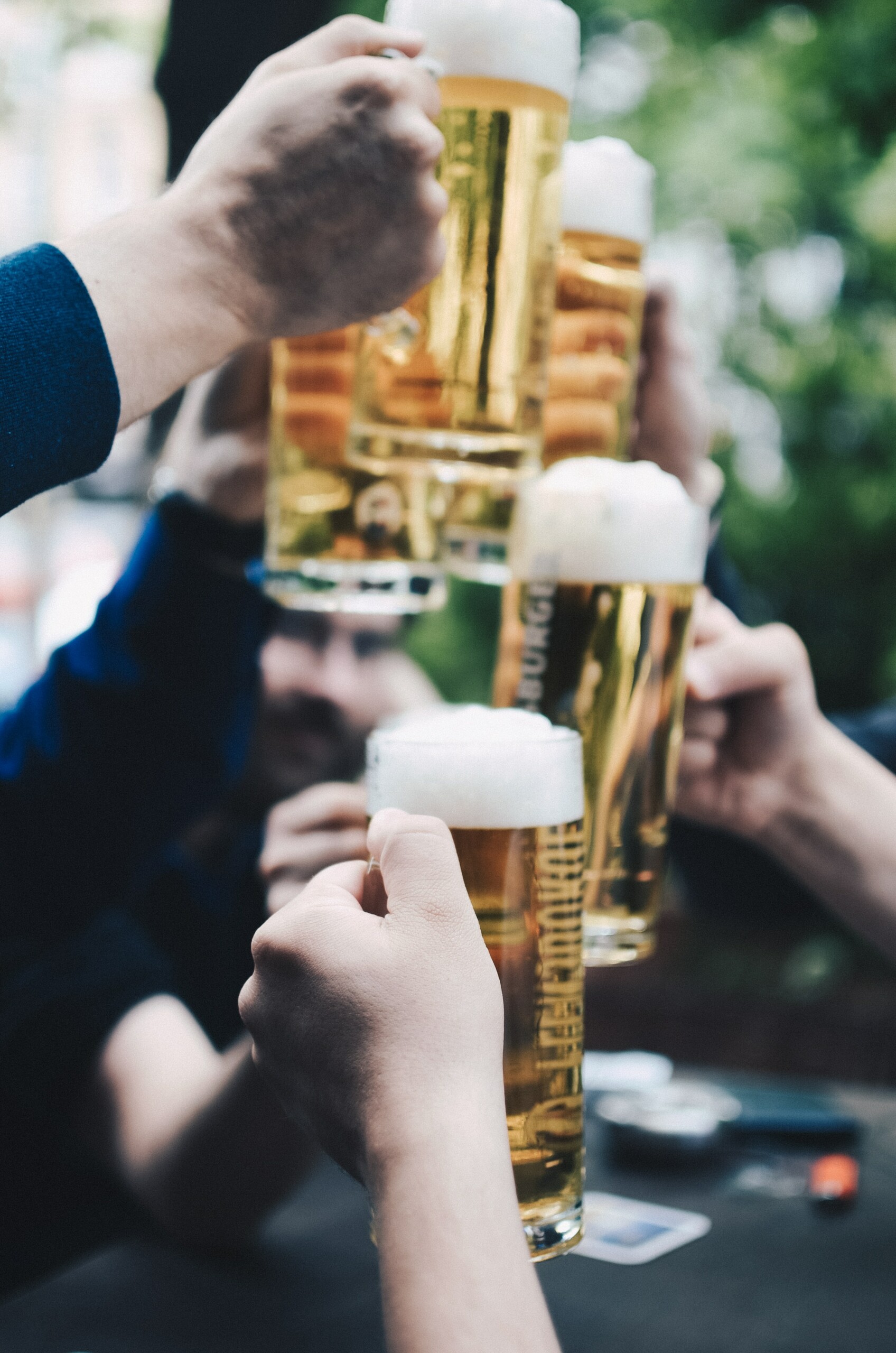
When you step into the vibrant grounds of Oktoberfest, you’re not just entering a beer festival; you’re immersing yourself in a tradition deeply rooted in Munich’s history. One of the unique aspects of Oktoberfest is its strict adherence to the purity and origin of the beers served. Only beers that are brewed within the city limits of Munich are permitted to be served at the festival. This ensures that every sip you take is a genuine taste of Munich’s brewing heritage. Among these, there are six iconic breweries, often referred to as “Munich’s Big Six.” These are the only beers you’ll find at Oktoberfest, each with its own rich history and distinct flavor profile. Let’s dive into these legendary brews.
1. Spaten
- Flavor Profile: Spaten is known for its rich malt flavor, balanced by a delicate bitterness. It has a crisp, refreshing finish.
- IBU: Typically around 20-25
- ABV: Usually around 5.2%
- History: Founded in 1397, Spaten is one of Munich’s oldest breweries. It played a pivotal role in the development of the Oktoberfest beer style.
- Link: Spaten Brewery
2. Löwenbräu
- Flavor Profile: Löwenbräu beers are characterized by a slightly fruity apple aroma mixed with the scent of malt, cloves, and a hint of nuts. The taste is a perfect balance of sweet and bitter.
- IBU: Approximately 20-25
- ABV: Around 5.2%
- History: With roots tracing back to 1383, Löwenbräu has a lion in its crest, symbolizing the beer’s strength and tradition.
- Link: Löwenbräu Brewery
3. Paulaner
- Flavor Profile: Paulaner beers offer a harmonious balance between malt and hops, with a slightly sweet malt character and a hint of bitterness.
- IBU: Typically 20-25
- ABV: Generally 5.5%
- History: Founded by the Minim friars of the Neudeck ob der Au cloister in 1634, the Paulaner brewery is deeply rooted in Munich’s tradition.
- Link: Paulaner Brewery
4. Hofbräu
- Flavor Profile: Hofbräu beers are known for their full-bodied flavor, with a perfect balance of malt sweetness and hop bitterness.
- IBU: Around 23-28
- ABV: About 5.1%
- History: Established in 1589 by the Duke of Bavaria, Wilhelm V, Hofbräu is one of Munich’s state-owned breweries.
- Link: Hofbräu Brewery
5. Augustiner
- Flavor Profile: Augustiner beers have a distinct malt aroma, complemented by a light fruitiness and a touch of hop bitterness.
- IBU: Generally 20-25
- ABV: Around 5.2-5.6%
- History: Founded in 1328, Augustiner is Munich’s oldest privately-owned brewery. It has maintained its traditional brewing methods and is known for its exceptional beers.
- Link: Augustiner Brewery
6. Hacker-Pschorr
- Flavor Profile: Hacker-Pschorr beers are characterized by a malty aroma, a balanced flavor, and a refreshing finish.
- IBU: Typically 20-25
- ABV: Usually around 5.5%
- History: Originating from the merger of two breweries in the 18th century, Hacker and Pschorr, this brewery has a rich history and is known for its traditional brewing methods.
- Link: Hacker-Pschorr Brewery
These breweries have been at the heart of Munich’s beer culture for centuries and continue to produce some of the world’s finest beers. If you’re a beer enthusiast, a visit to Munich and its iconic breweries should be on your bucket list!
Traditions and Attire:
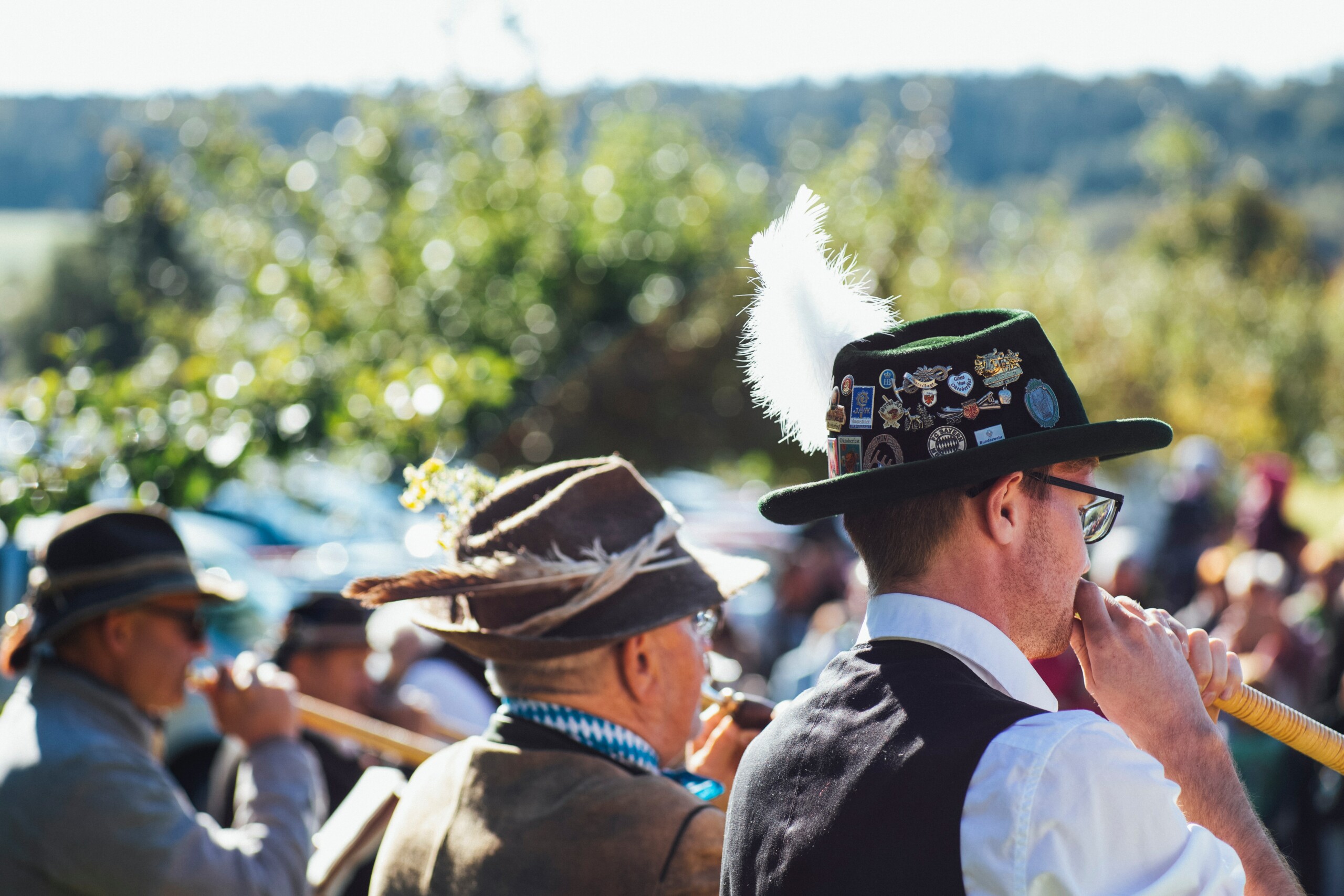
Oktoberfest is a spectacle of Bavarian traditions. From the grand parade featuring traditional costumes and riflemen to the various tent competitions, the festival is a cultural extravaganza [Link to Bavarian Traditions]. The traditional Bavarian attire is a proud display of Bavarian heritage.

Modern Celebrations:
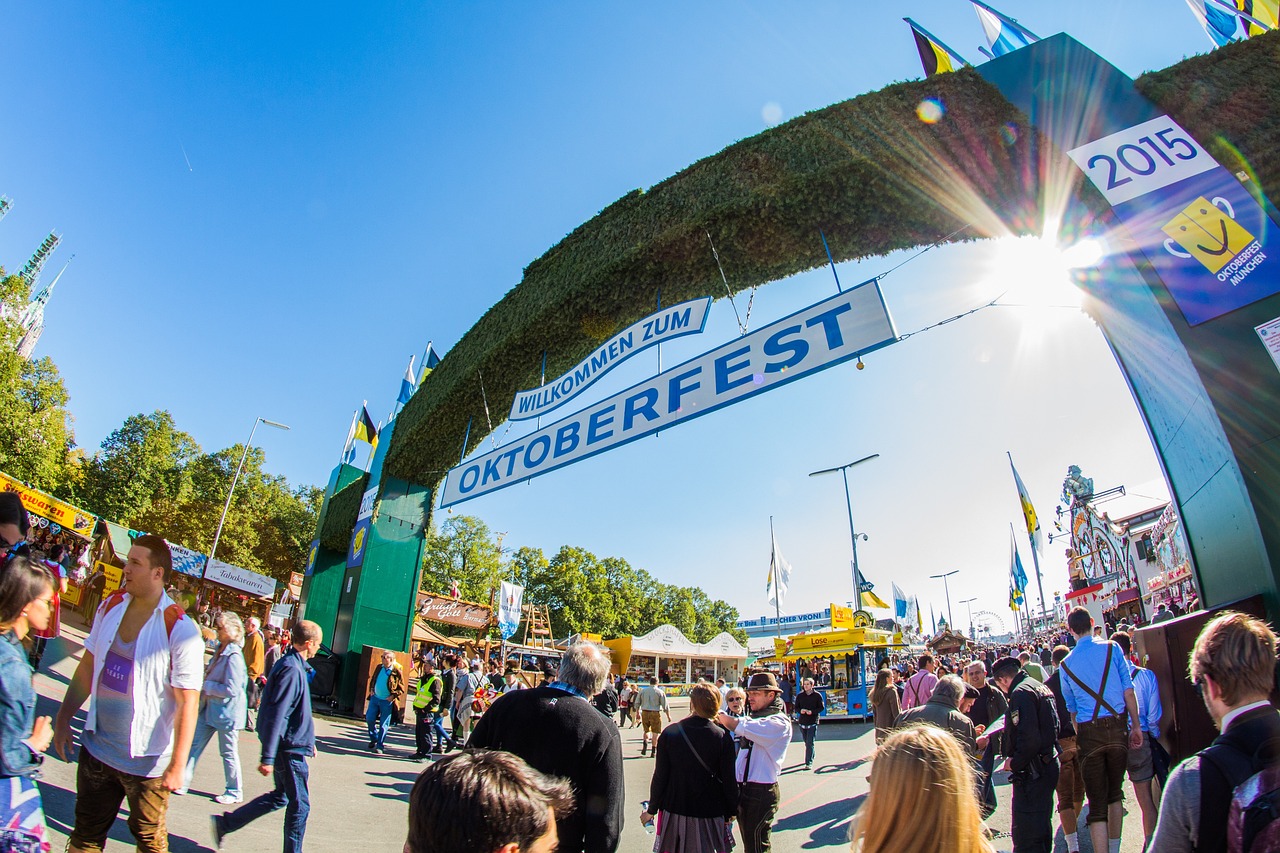
Today, Oktoberfest celebrations can be found from New York to Tokyo [Link to Global Oktoberfest Celebrations], each adding its unique cultural twist while paying homage to the original.
Crafting Oktoberfest Beers:
Brewing an authentic Oktoberfest beer is an art. For those interested in brewing their own Märzen, check out this comprehensive guide on the brewing process.

Conclusion:
Oktoberfest is more than a beer festival; it’s a symbol of Bavarian pride and a global celebration of camaraderie. As the tents go up in Munich this year, and the first keg is tapped, let’s raise our steins to the rich history, culture, and tradition that is Oktoberfest.

Let’s Brew Together
Tell me more about your brew
We love hearing from fellow beer enthusiasts! Whether you have a question about our products, need help with your brewing process, or just want to share your latest brewing adventure with us, please don’t hesitate to get in touch. Fill out the contact form below and we’ll get back to you as soon as we can. Cheers!


