
Homebrewing Basics: How to Use a Carboy for Beer Fermentation
Homebrewing is a popular pastime for many beer enthusiasts, offering a way to create custom brews with unique flavors and styles. One essential tool in any homebrewer’s arsenal is the carboy, a type of glass or plastic container that is used to ferment beer. In this article, we’ll take a closer look at what a carboy is, how it works, and how to use it to brew beer.
What is a Carboy?
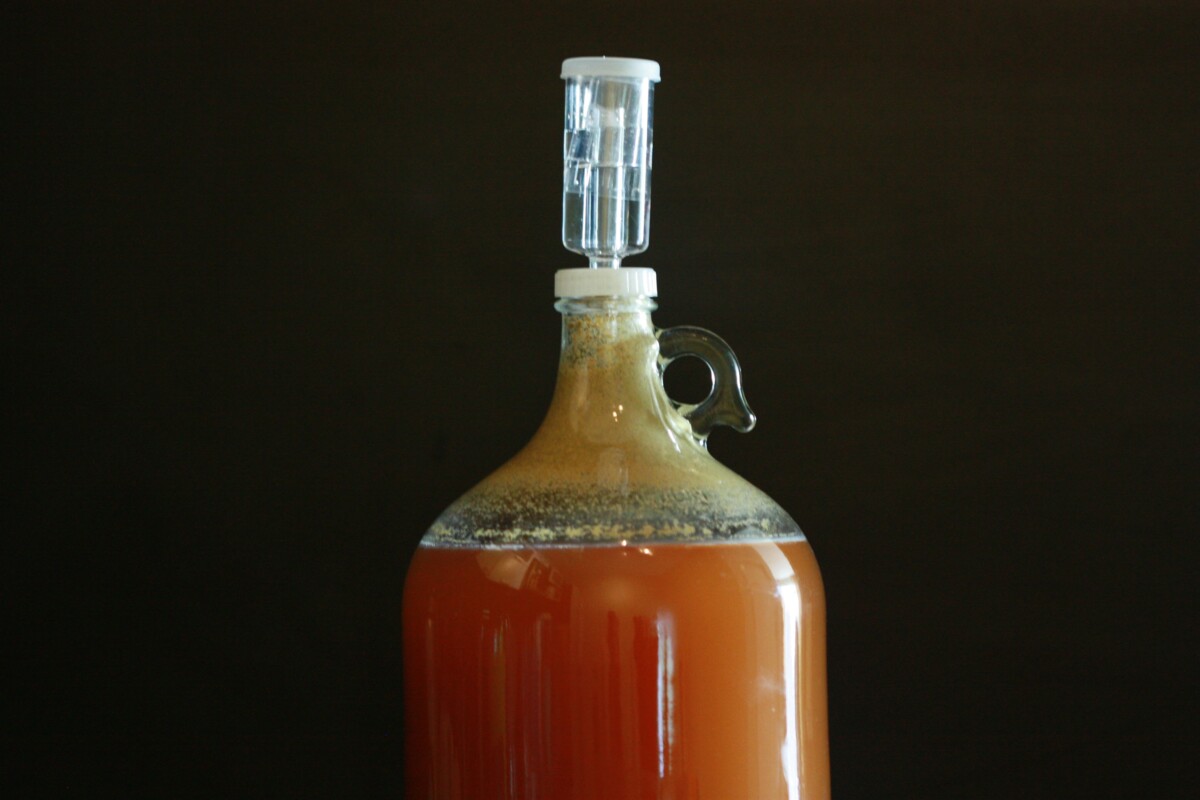
What is a Carboy?
A carboy is a cylindrical container that is typically made of glass or plastic. It is used to hold and ferment beer during the brewing process. Carboys come in a variety of sizes, from one-gallon jugs to larger containers that can hold up to six gallons or more.
The two most common types of carboys are glass and plastic. Glass carboys are more fragile than plastic ones and can be more expensive, but they are also more resistant to scratches and easier to clean. Plastic carboys are more durable, lightweight, and affordable, making them a popular choice for homebrewers.
How Does a Carboy Work?
A carboy works by providing a sealed, airtight environment in which yeast can convert sugars into alcohol and carbon dioxide. During the fermentation process, the yeast will produce bubbles that rise to the surface and release carbon dioxide, creating a foamy layer known as the krausen.
The krausen is a sign that fermentation is occurring and can be used to track the progress of the brew. As the yeast consumes the sugars in the beer, the krausen will eventually dissipate, indicating that fermentation is complete.
Using a Carboy to Brew Beer
To use a carboy to brew beer, you’ll need to follow a few simple steps:
- Sanitize the carboy: Before using your carboy, make sure it is clean and sanitized. Use a specialized brewing sanitizer or a mixture of water and bleach to sanitize the carboy and any other equipment you’ll be using.
- Prepare the wort: The wort is the mixture of malt, hops, and other ingredients that will be fermented into beer. Follow your recipe to prepare the wort, then transfer it to the carboy.
- Add yeast: Once the wort is in the carboy, it’s time to add the yeast. Make sure the yeast is properly hydrated before adding it to the carboy, as this will help ensure a healthy fermentation.
- Seal the carboy: Once the yeast is added, seal the carboy with an airlock. This will allow carbon dioxide to escape while preventing oxygen from getting in, which can spoil the beer.
- Monitor fermentation: Check the carboy regularly to monitor the fermentation process. Look for signs of the krausen, and take samples to check the gravity and alcohol content of the beer.
- Transfer to a secondary carboy (optional): If desired, you can transfer the beer to a secondary carboy for a secondary fermentation or conditioning period. This can help clarify the beer and improve its flavor.
- Bottle the beer: Once fermentation is complete, it’s time to bottle the beer. Add priming sugar to the beer to carbonate it, then bottle it and store it in a cool, dark place for several weeks to allow the carbonation to develop.
Conclusion
Carboys are an essential tool for any homebrewer, offering a convenient and effective way to ferment beer. Whether you choose a glass or plastic carboy, make sure to sanitize it thoroughly before use and monitor the fermentation process carefully to ensure a successful brew. With a little practice and patience, you can use a carboy to create custom beers with unique flavors and styles.
Let’s Brew Together
Tell me more about your brew
We love hearing from fellow beer enthusiasts! Whether you have a question about our products, need help with your brewing process, or just want to share your latest brewing adventure with us, please don’t hesitate to get in touch. Fill out the contact form below and we’ll get back to you as soon as we can. Cheers!


