
Mastering Water Treatment in Homebrewing: Enhance Your Beer with Proper Water Adjustments
When it comes to brewing beer at home, water is an essential ingredient that can significantly impact the final product. Proper water treatment allows you to customize your brewing water to create the ideal environment for extracting flavors and achieving desired characteristics in your beer
In this comprehensive guide, we’ll explore practical advice on what you need to do to your water when brewing beer at home. From understanding water chemistry to adjusting mineral content and pH levels, we’ll provide step-by-step guidance to help you enhance your brew.
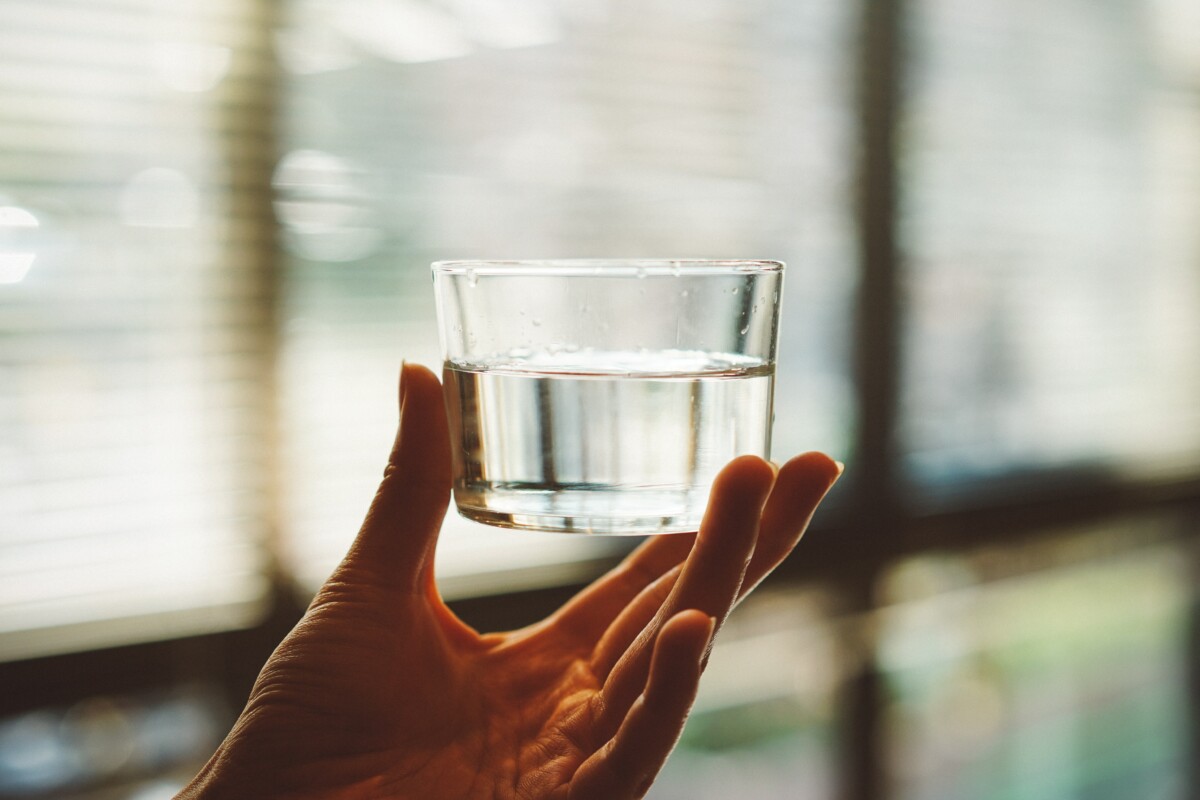
Water is water, right?
Assessing Water Quality:
Before diving into water treatment, it’s crucial to assess the quality of your brewing water. We’ll discuss common water sources, such as tap water and reverse osmosis (RO) water, and their pros and cons. We’ll also explore the importance of testing your water for factors like mineral content, pH level, and chlorine/chloramine presence. Understanding these parameters will guide your water treatment decisions.
Understanding Water Chemistry:
Water chemistry plays a vital role in influencing mash pH, enzymatic activity, yeast performance, and overall beer flavor. We’ll explore the key components of water chemistry, including calcium, magnesium, bicarbonate, sulfate, and chloride. You’ll learn how these elements interact and impact your brewing process, enabling you to make informed decisions about water adjustments.
Adjusting pH Levels:
Maintaining the correct pH range during mashing is crucial for enzymatic activity, sugar conversion, and flavor extraction. We’ll discuss the importance of pH measurement and provide practical tips for adjusting pH levels using brewing salts and acids. You’ll gain insights into the impact of pH on different beer styles and learn how to achieve optimal results.
Mineral Additions:
Adding specific minerals to your brewing water allows you to mimic the water profiles of different regions or tailor the water to specific beer styles. We’ll delve into the common brewing salts and minerals used in water treatment, such as gypsum, calcium chloride, Epsom salt, and baking soda. You’ll discover how to calculate and apply these additions based on desired flavor profiles and style guidelines.
Dealing with Chlorine and Chloramine:
Chlorine and chloramine in tap water can negatively impact the flavor of your beer. We’ll explore the different methods to remove these compounds, including using Campden tablets or activated carbon filters. You’ll learn about the importance of dechlorination and the potential off-flavors associated with these chemicals.
Building a Water Profile:
Building a custom water profile allows you to create the ideal brewing environment for specific beer styles. We’ll discuss popular water profiles associated with different beer styles, such as Burton-on-Trent for English ales or Pilsen for lagers. You’ll gain insights into the desired mineral levels and water characteristics for each profile and how to adjust your brewing water accordingly.
Water Calculations and Tools:
To facilitate accurate water adjustments, various online tools and software are available. We’ll introduce you to popular brewing software and calculators that can assist in determining water additions based on your specific needs and target profiles. These tools will simplify the process of calculating mineral additions and pH adjustments, taking the guesswork out of water treatment.
Consistency and Experimentation:
Consistency is key when it comes to water treatment. We’ll emphasize the importance of documenting your water adjustments, measurements, and outcomes to ensure repeatability and refine your brewing process. Additionally, we’ll encourage you to experiment with different water profiles and adjustments to understand their impact on the final beer.
Conclusion:
Water treatment in homebrewing is a powerful tool that allows you to fine-tune your brew and achieve exceptional results. By understanding water chemistry, adjusting mineral content, and monitoring pH levels, you can create
Let’s Brew Together
Tell me more about your brew
We love hearing from fellow beer enthusiasts! Whether you have a question about our products, need help with your brewing process, or just want to share your latest brewing adventure with us, please don’t hesitate to get in touch. Fill out the contact form below and we’ll get back to you as soon as we can. Cheers!


