
Yeast Resurrection: How to Reuse Yeast from a Previous Fermentation
Greetings, fellow beer enthusiasts, home brewers, and aspiring yeast whisperers! Today we embark on an enlightening, and slightly zany, adventure into the microscopic realm of yeast. “Yeast?” I hear you say, “That stuff my grandma uses to make her world-famous bread?” Yes, that’s right! But we’re not here to bake – we’re here to brew. And, unlike your grandma, we’re going to learn how to resurrect our yeast like a boozy version of Dr. Frankenstein.
Why Reuse Yeast?
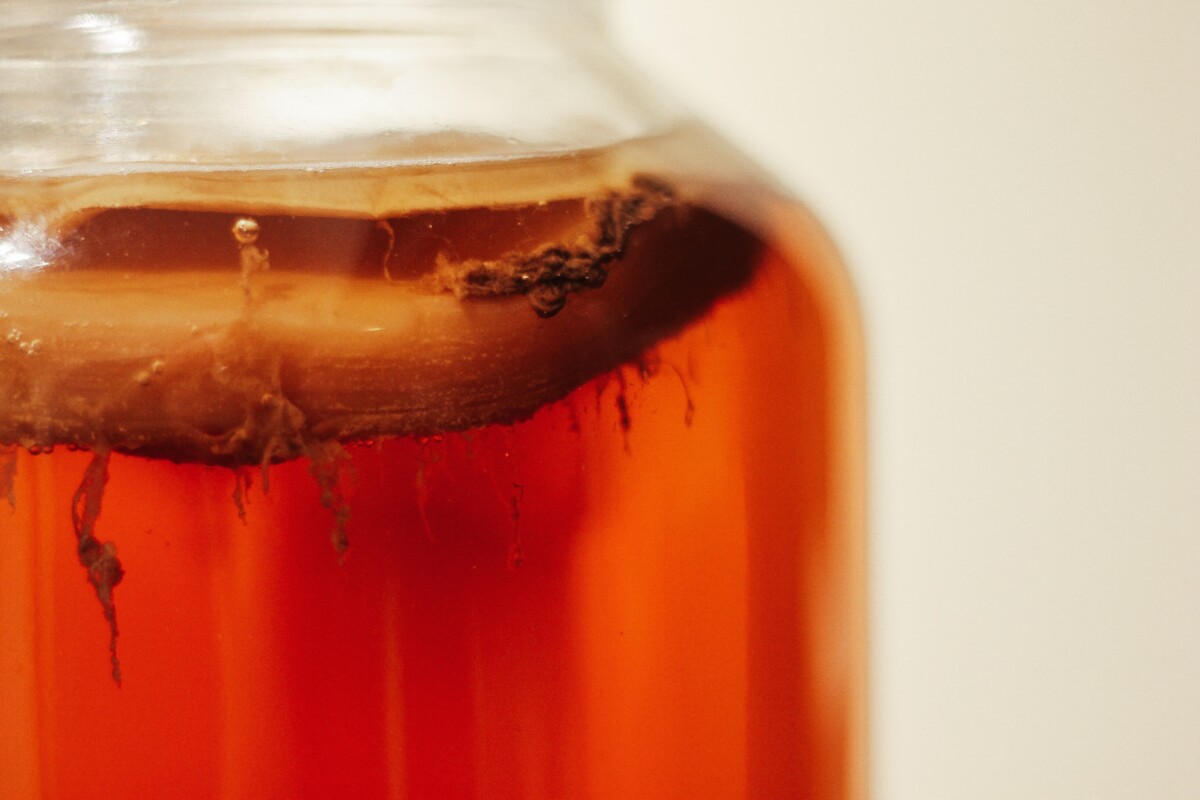
Why Reuse Yeast? The Beer, The Myth, The Microbe
First things first, why should we care about reusing yeast? Isn’t it easier just to buy a fresh pack every time? Well, aside from being a frugal brewer’s dream, reusing yeast taps into the magical world of these little single-celled fungi. You see, yeast are living organisms, tirelessly working to ferment your wort into a delicious brew. Like the ‘good bacteria’ found in yogurt, they’re our little beer-making superheroes, and with a little TLC, they can be used multiple times.
By reusing yeast, you not only save money but also ensure the consistency of flavor across batches, especially if you’re aiming for a specific beer style. Additionally, each yeast generation adapts better to your home brewery conditions, meaning it could perform even better next time! It’s the brewing gift that keeps on giving.
The Do’s and Don’ts of Yeast Resurrection
Before we dive into the nitty-gritty, let’s clarify some do’s and don’ts.
DO:
- Reuse yeast from high-quality, successful brews. Your yeast is only as good as the beer it creates.
- Store your yeast in a clean, sanitized, airtight container in the fridge. Yeast aren’t fans of air exposure or temperature swings.
- Label your yeast. Trust me; you don’t want to mix up your IPA yeast with the one for your stout.
DON’T:
- Reuse yeast from high ABV or sour beers. These conditions can stress the yeast, leading to undesirable flavors in your next batch.
- Use old yeast. Yeast are living organisms and can die off over time. Aim to reuse within two weeks.
- Overlook sanitation. Cleanliness is next to godliness, especially in brewing.
Now, Let’s Play Dr. Frankenstein!
Step 1: Choose Your “Victim”
Choose a yeast from a beer you were really proud of – that brew where even your most beer-snob friend nodded in approval. However, avoid yeast from high-alcohol or sour beers. It’s a tough life turning sugar into alcohol, and we want our yeast in tip-top shape. Consider this as choosing your best athlete for the relay race.
Step 2: Yeast Harvesting
Once your primary fermentation is over and your beer has been transferred, you’ll see a layer of yeast at the bottom of your fermenter. This slurry, a mixture of yeast, protein, and other solids, is where our future brew’s magic lies.
Carefully pour this slurry into sanitized jars, leaving behind any beer or hop residue. Seal the jars, label them with the yeast strain and date, and then pop them in the fridge. It’s like meal prepping, but for yeast.
Step 3: Yeast Waking Ritual
When ready to use, take your yeast out of the fridge to warm up to room temperature gently. It’s like waking up a teenager – don’t rush it, or there’ll be grumbling.
Step 4: The Pitch
Once at room temperature, and you’ve confirmed the yeast doesn’t want “just five more minutes, mom”, pitch your yeast into your wort just like you would with fresh yeast.
And voila! You’ve successfully completed the yeast resurrection process.
As you can see, reusing yeast from a previous fermentation isn’t that daunting or technical. It’s just another fun, cost-effective element of homebrewing. Like brewing itself, practice makes perfect. So, go on – unleash your inner Dr. Frankenstein and brew up a storm! Remember, yeast are your friends. Treat them well, and they’ll return the favor with some fantastic beer.
Happy brewing! 🍻
Let’s Brew Together
Tell me more about your brew
We love hearing from fellow beer enthusiasts! Whether you have a question about our products, need help with your brewing process, or just want to share your latest brewing adventure with us, please don’t hesitate to get in touch. Fill out the contact form below and we’ll get back to you as soon as we can. Cheers!


