
Understanding Guinness IBU: A Deep Dive into Bitterness and Flavor
Introduction:
When it comes to understanding the complexity of beer, one term that often comes up is IBU – International Bitterness Units. Recently, we’ve noticed a surge in queries about Guinness IBU, indicating a keen interest among beer enthusiasts and homebrewers alike. In this post, we’ll explore what IBU is, why it matters, and specifically look at the IBU of Guinness compared to other beers.
What is IBU?
IBU stands for International Bitterness Units, a scale that measures the bitterness of beer, which is imparted by the hops during brewing. The higher the IBU, the more bitter the beer. However, bitterness is just one aspect of a beer’s profile and should be balanced with other flavors. The IBU scale ranges from 0 to over 100, with most beers falling between 5 and 120 IBUs. Beers with lower IBUs, like lagers and wheat beers, tend to be less bitter, while those with higher IBUs, like IPAs, are more bitter.
How is IBU Measured?
IBU is calculated based on the amount of hops and the alpha acids they contain, which are released during the boiling process. The formula takes into account the volume of the wort, the weight of the hops, the alpha acid percentage, and the utilization rate, which is affected by the boiling time. While it sounds complex, modern brewing software and tools make it easier for homebrewers to estimate the IBU of their brews accurately.
Guinness and Its IBU
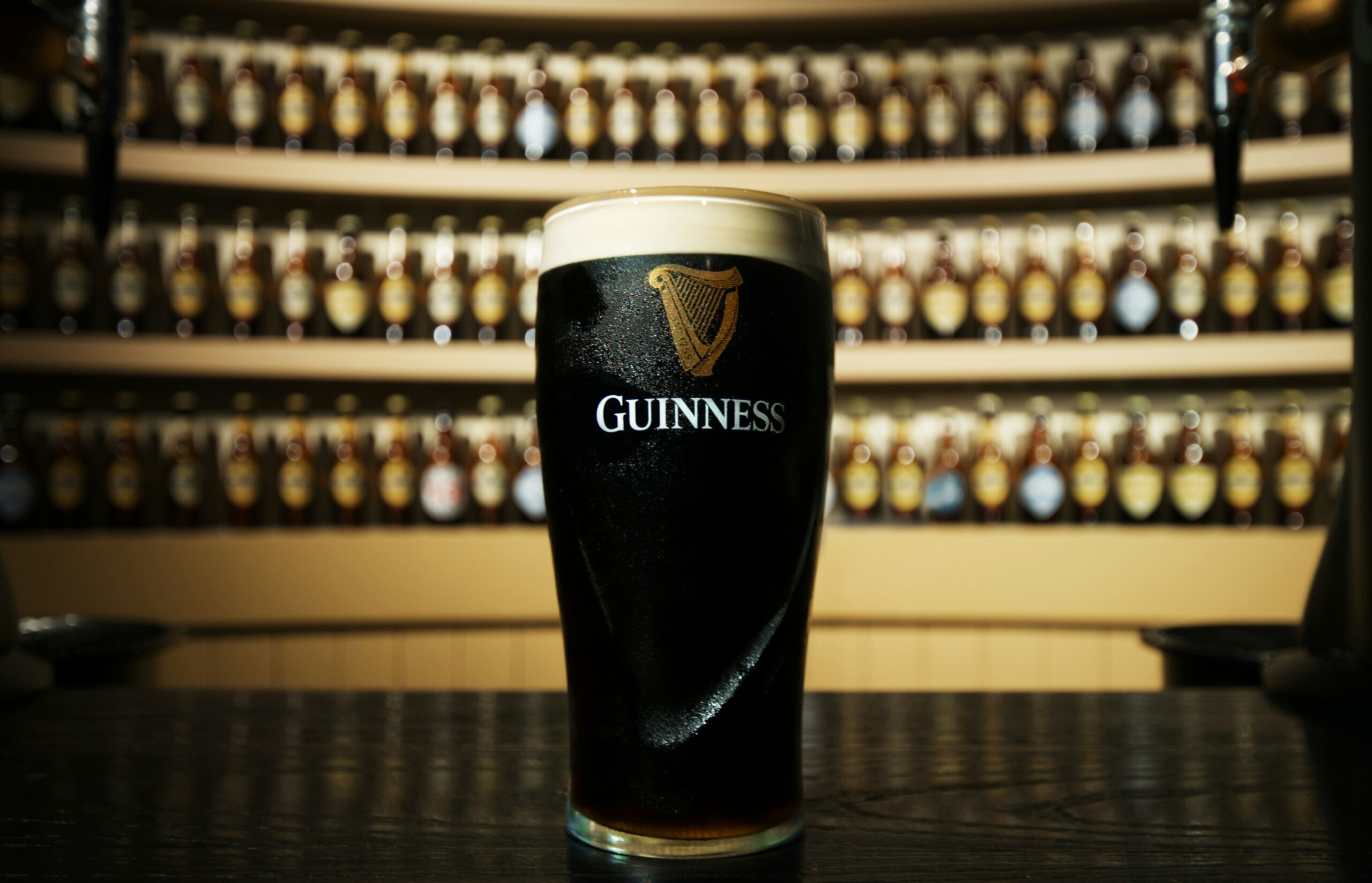
Guinness Draught, one of the most famous stouts in the world, has an IBU of around 45. This relatively moderate level of bitterness complements its roasted malt flavors, giving it that distinct smooth and creamy taste. Other variants of Guinness, like the Foreign Extra Stout, may have different IBU levels, contributing to their unique taste profiles. For example, Guinness Foreign Extra Stout has an IBU of about 47, which is slightly higher but still balanced by its rich, malty character.
The Taste Profile of Guinness
The taste of Guinness is characterized by its smooth, velvety texture and rich, roasted flavor. The bitterness from the hops balances the sweetness of the malt, creating a harmonious and satisfying beer. The nitrogenation of Guinness Draught also contributes to its creamy mouthfeel and distinctive cascading effect when poured. The moderate IBU level ensures that the bitterness is present but not overwhelming, making it accessible to a wide range of beer drinkers.
Comparing Guinness to Other Popular Beers
| Beer Name | Style | IBU Range |
|---|---|---|
| Guinness Draught | Stout | 40-45 |
| Sierra Nevada Pale Ale | Pale Ale | 38-40 |
| Dogfish Head 60 Minute | IPA | 60-75 |
| Heineken | Lager | 23 |
| Andechs Doppelbock | Doppelbock | 16-26 |
As seen in the table, Guinness Draught sits comfortably in the middle range of the IBU scale. IPAs typically have a higher IBU, making them more bitter, while lagers and doppelbocks usually have lower IBUs, resulting in a smoother taste. For example, the Dogfish Head 60 Minute IPA has an IBU of 60-75, giving it a pronounced bitterness that appeals to hop enthusiasts. On the other hand, Heineken, a popular lager, has an IBU of 23, making it much less bitter and more approachable.
Why IBU Matters to Homebrewers
Understanding IBU is crucial for homebrewers as it helps in crafting a beer that suits their taste preferences. By controlling the amount and type of hops used, homebrewers can adjust the bitterness to match the desired flavor profile. It’s also important for replicating recipes and achieving consistency in homebrewing. For those new to homebrewing, starting with a beer style that has a moderate IBU, like a stout or pale ale, can be a good way to learn about balancing flavors.
Tips for Controlling IBU in Homebrewing
- Select the Right Hops: Different hops have varying levels of alpha acids, which affect bitterness. Choose hops that align with your desired IBU.
- Adjust Boil Time: The longer the hops boil, the more bitterness they impart. Shorten the boil time to reduce bitterness.
- Use Hop Additions Strategically: Adding hops at different stages of the boil or during fermentation can influence bitterness and aroma.
- Experiment with Hop Varieties: Try using different hop varieties to achieve unique flavor profiles and bitterness levels.
Conclusion:
IBU is a fundamental aspect of brewing that significantly impacts the taste and experience of beer. For Guinness lovers and homebrewers, knowing the IBU helps in appreciating the complexity of flavors and brewing better beer. Whether you’re a seasoned brewer or a beer enthusiast, experimenting with IBU can open up a whole new world of taste and enjoyment. If you’re curious about how different IBUs affect beer, try tasting a variety of styles and take note of how the bitterness influences your overall experience.
Let’s Brew Together
Tell me more about your brew
We love hearing from fellow beer enthusiasts! Whether you have a question about our products, need help with your brewing process, or just want to share your latest brewing adventure with us, please don’t hesitate to get in touch. Fill out the contact form below and we’ll get back to you as soon as we can. Cheers!


